
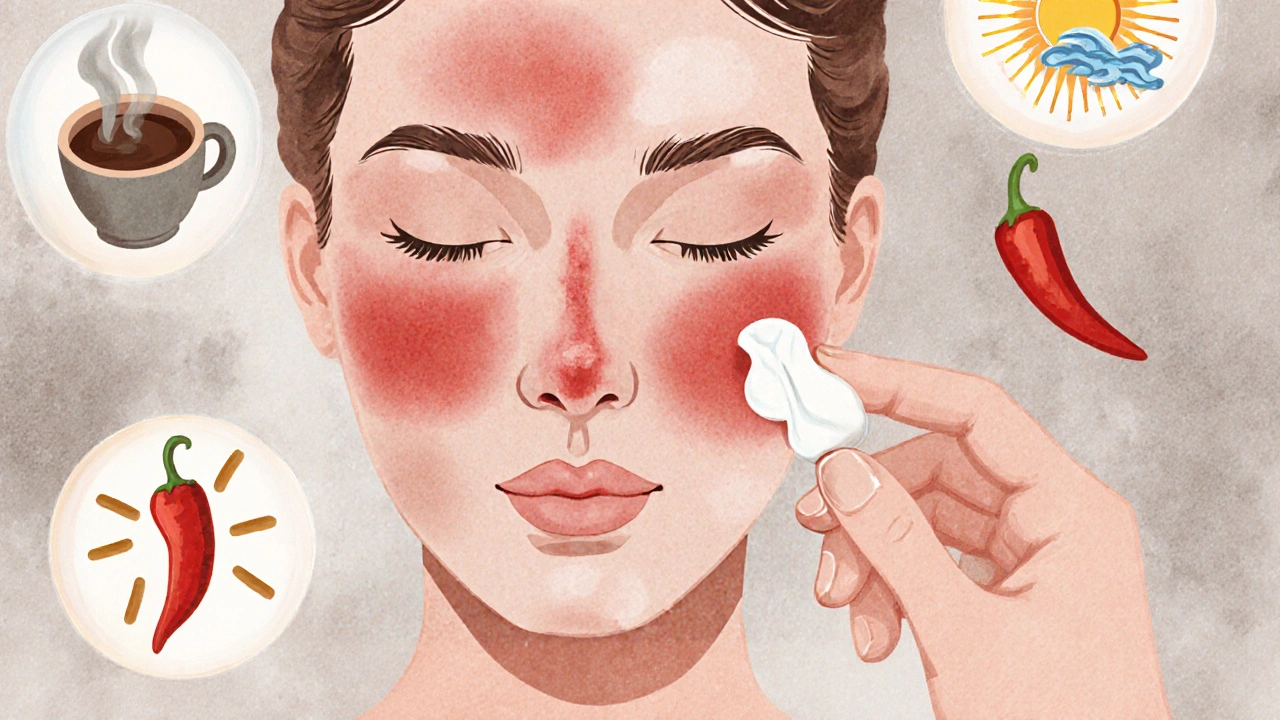
Rosacea causes persistent facial redness and bumps. Topical antibiotics like metronidazole and ivermectin reduce inflammation and Demodex mites, but results take weeks. Learn how to use them right and manage triggers.
Ivermectin: What It Is, How It's Used, and What You Need to Know
When you hear ivermectin, a broad-spectrum antiparasitic medication originally developed for animals and later approved for human use against certain worms and skin conditions. Also known as Stromectol, it's one of the most widely distributed drugs in global health programs, especially for river blindness and scabies. But its story isn’t just about medicine—it’s about access, misuse, and the fine line between proven use and dangerous guesswork.
Ivermectin works by paralyzing and killing parasites. It targets nerve and muscle cells in worms and mites, shutting down their nervous system. For conditions like strongyloidiasis or onchocerciasis, it’s a lifeline. In places with limited healthcare, a single dose can clear infections that would otherwise cause blindness or lifelong disability. But outside those uses, things get messy. People started using it for viral infections—not because science said so, but because rumors spread fast. That’s where off-label use, using a drug for a purpose not approved by health regulators. Also known as unapproved indication, it becomes risky when based on social media, not clinical data. The FDA and WHO have repeatedly warned against using ivermectin for COVID-19. Why? Because studies showing benefit were flawed, poorly designed, or outright fake. Meanwhile, real harm happened: people took veterinary formulations, overdosed, and ended up in the ER with vomiting, dizziness, and even liver damage.
There’s a real difference between how ivermectin is used in public health programs and how it’s used in home remedy circles. In Africa and Latin America, it’s given under supervision to entire communities to stop parasite spread. In the U.S., some people buy it online without a prescription, trusting influencers over doctors. That’s not just unsafe—it’s preventable. drug safety, the practice of using medications correctly to avoid harm. Also known as medication safety, it’s not a buzzword—it’s what keeps you alive when you’re managing multiple pills or trying new treatments. If you’re considering ivermectin for anything other than a diagnosed parasitic infection, talk to your provider. Ask for the evidence. Check the dose. Never use animal-grade ivermectin. And if you’re already taking it, watch for side effects like confusion, loss of coordination, or severe skin reactions.
The posts below cover real-world drug risks, interactions, and safety gaps—exactly the kind of context you need when navigating treatments like ivermectin. You’ll find deep dives on how medications behave in the body, what happens when they mix, and how to spot when something’s not right. This isn’t about hype. It’s about knowing what works, what doesn’t, and why your health deserves better than rumors.