
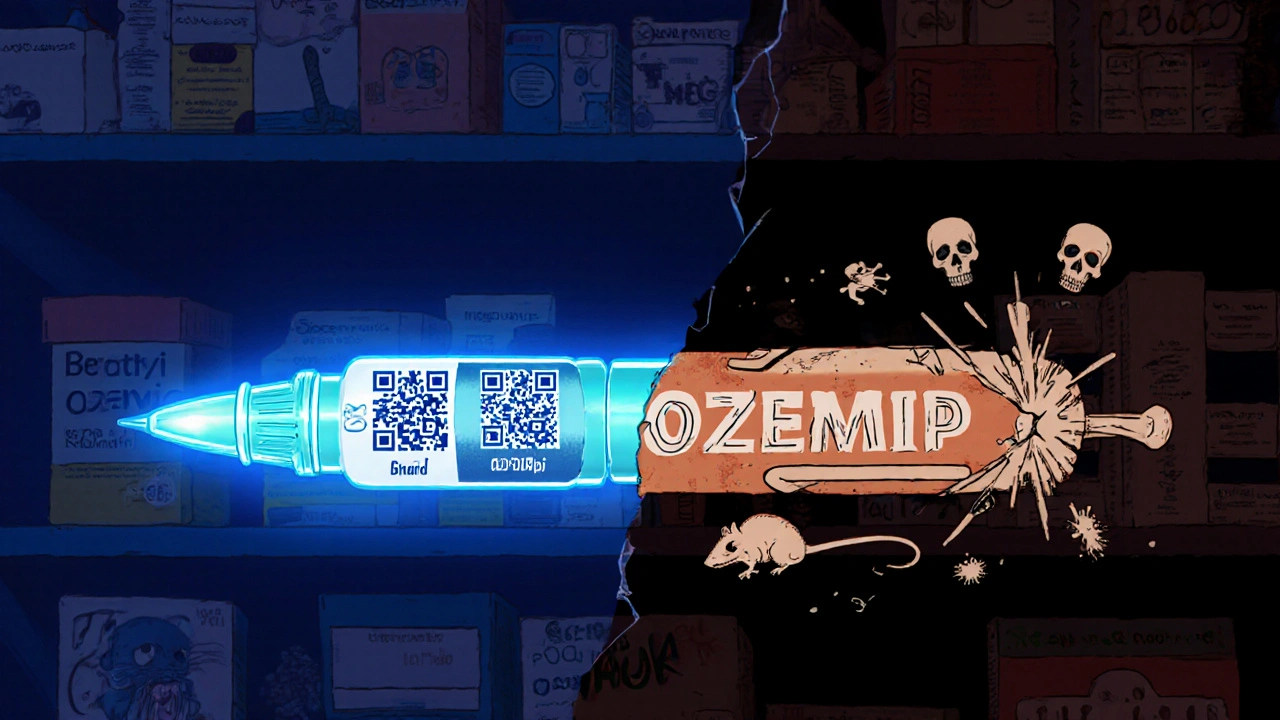
Counterfeit generics are fake versions of cheap, off-patent drugs that can contain no active ingredients or dangerous toxins. Learn how to spot them, where to buy safely, and what to do if you suspect you’ve been sold a fake.
Fake Ozempic: What It Is, Why It's Dangerous, and How to Avoid It
When people search for Fake Ozempic, a counterfeit version of the prescription weight loss and diabetes drug semaglutide. Also known as fake semaglutide, it often looks like the real thing but contains unknown chemicals, wrong dosages, or nothing at all. This isn't just a scam—it's a health emergency. The real Ozempic (semaglutide) is a GLP-1 agonist, approved by health regulators to help manage type 2 diabetes and promote weight loss under medical supervision. But online sellers, shady e-pharmacies, and social media influencers are pushing fake versions that promise quick results with no prescription. People buy them because they’re cheaper, easier to get, and marketed as "miracle" weight loss solutions. What they don’t know is that these fake pills or injections could contain rat poison, industrial solvents, or untested compounds that wreck your liver, kidneys, or heart.
Counterfeit drugs like fake Ozempic are part of a growing global problem. In 2024, the WHO reported that over 1 in 10 medications in low- and middle-income countries are fake—and the problem is spreading fast in the U.S. and Europe too. These aren’t just weak versions of the real drug—they’re completely different substances. Some fake Ozempic pens have been found to contain nothing but saline water. Others have been laced with phenethylamine, a stimulant linked to seizures and strokes. Even if you get a product that actually contains semaglutide, it might be stored improperly, expired, or diluted. That means you’re not getting the dose you think you are, and your blood sugar could spike or crash without warning.
The danger doesn’t stop at the injection. Fake Ozempic often comes with fake instructions, no patient information, and no way to trace where it came from. If you have a bad reaction, doctors can’t report it properly because the product isn’t registered. And if you’re using it to lose weight, you might skip real medical care—ignoring underlying conditions like insulin resistance, thyroid issues, or heart disease that need proper diagnosis. Real GLP-1 agonists like Ozempic, Wegovy, or Saxenda require ongoing monitoring. Fake ones give you none of that safety net.
So how do you avoid it? Never buy diabetes or weight loss meds from Instagram ads, Telegram groups, or websites that don’t require a prescription. Check the FDA’s list of approved manufacturers. Look for the lot number and tamper-evident packaging on the pen. If the price seems too good to be true, it is. Legitimate pharmacies, even online ones like those listed on the National Association of Boards of Pharmacy, won’t sell Ozempic without a valid prescription from your doctor.
What you’ll find below are real, verified articles that cover the risks of counterfeit medications, how drug supply chains are being exploited, and how to safely manage weight loss and diabetes with proven alternatives. You’ll learn why some people turn to fake drugs, what regulators are doing about it, and how to spot red flags before it’s too late. This isn’t about fear—it’s about knowing what’s real, what’s dangerous, and how to protect yourself.