
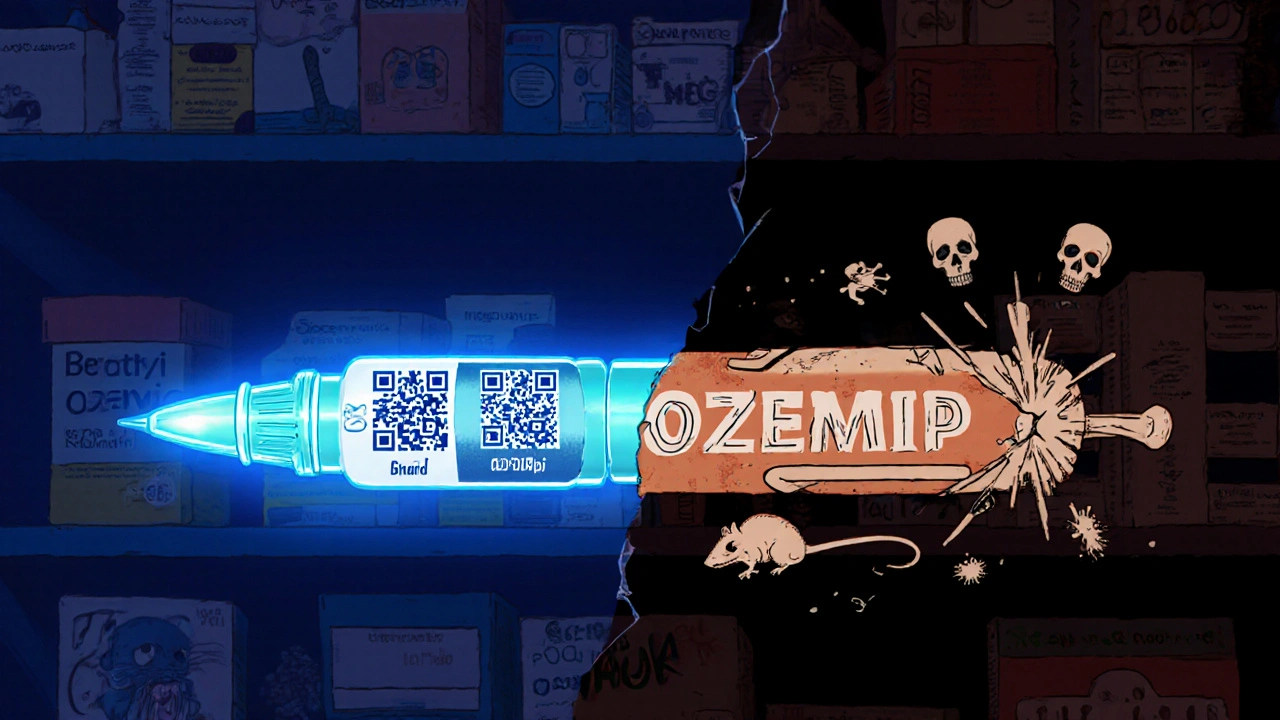
Counterfeit generics are fake versions of cheap, off-patent drugs that can contain no active ingredients or dangerous toxins. Learn how to spot them, where to buy safely, and what to do if you suspect you’ve been sold a fake.
Fake Medications: How to Spot Counterfeit Drugs and Stay Safe
When you buy a pill, you expect it to work—and to be safe. But fake medications, counterfeit versions of real drugs that may contain harmful substances, no active ingredient, or wrong dosages. Also known as counterfeit drugs, they’re sold online, in unlicensed pharmacies, and even through shady street vendors. These aren’t just scams—they’re life-threatening. Every year, millions of people unknowingly take fake versions of antibiotics, painkillers, heart meds, and even cancer drugs. The World Health Organization estimates that 1 in 10 medical products in low- and middle-income countries are substandard or falsified. But this isn’t just a problem overseas—fake pills are flooding online markets everywhere.
How do you tell if your medication is real? Look at the packaging: misspelled words, blurry logos, or mismatched colors are red flags. Check the pill itself—real ones have consistent shape, color, and imprint. If the price seems too good to be true, it probably is. A real prescription drug from a licensed pharmacy doesn’t cost $5 for a month’s supply of Viagra or insulin. Online pharmacy risks, the dangers of buying meds from websites without a physical address, licensed pharmacists, or a valid prescription requirement. Also known as unregulated e-pharmacies, these sites often bypass safety checks and ship from countries with weak oversight. Some fake pills even contain fentanyl, leading to accidental overdoses. Others have no active ingredient at all—meaning your diabetes, high blood pressure, or infection goes untreated while you think you’re getting help.
Drug safety, the practice of ensuring medications are authentic, properly stored, and correctly used to prevent harm. Also known as medication authenticity, it’s not just about buying from a trusted source—it’s about knowing what to look for, asking questions, and reporting suspicious products. If your doctor prescribes a drug, ask them where you can get it safely. Use pharmacies that require a prescription and have a physical location you can visit. Avoid websites that sell pills without a prescription, especially those offering "discounts" or "free shipping". Check if the site has a verified pharmacy seal like VIPPS (in the U.S.) or similar trusted certifications abroad. If you’re unsure, call your local health department or pharmacy board—they can tell you if a site is licensed.
The posts below cover real cases and practical ways to protect yourself. You’ll find guides on spotting fake versions of common drugs like Viagra, insulin, and antibiotics. You’ll learn how drug shortages and global supply chains make fake meds easier to slip into the market. You’ll see how people got sick—or worse—because they trusted a cheap online deal. And you’ll get clear steps to verify your meds, report fakes, and talk to your provider about safe sourcing. This isn’t theory. These are real stories, real risks, and real solutions.