
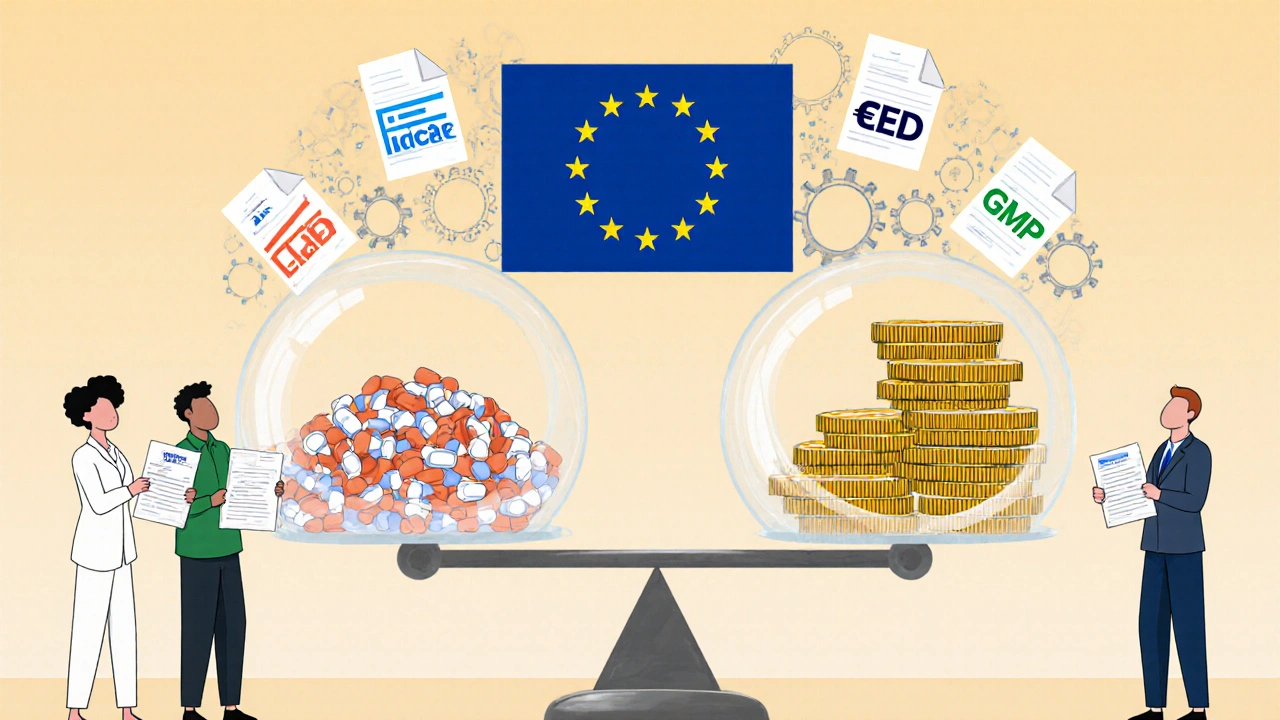
Europe's tendering systems ensure fair, transparent, and cost-effective purchasing of generic drugs. By using MEAT evaluation, electronic platforms, and strict quality rules, public health systems save billions without compromising safety or supply.
Europe Medications and Health: Drug Safety, Supply Chains, and Treatment Options
When it comes to Europe, a region with tightly regulated pharmaceutical markets and high public health standards. Also known as the European Union pharmaceutical landscape, it's where drug prices, supply chains, and patient safety collide in real time. Unlike the U.S., many European countries control drug costs through government negotiation, yet they still face shortages, counterfeit meds, and confusing OTC rules. If you’re buying medication online, traveling with prescriptions, or just trying to understand why your insulin is hard to find, you’re not alone—these are everyday issues across Europe.
One of the biggest headaches? drug shortages, a growing crisis fueled by over-reliance on foreign manufacturing. Also known as pharmaceutical supply chain disruptions, they hit hard when factories in China or India slow down—and Europe has no backup plan. This isn’t theory. In 2025, over 30% of common antibiotics and diabetes drugs saw delays across Germany, France, and the UK. Meanwhile, generic drugs, the affordable backbone of European healthcare. Also known as off-patent medications, they’re often 80% cheaper than brand names, but not all online sellers are legal. Some sites sell fake metformin or unapproved sildenafil under fake EU labels. You need to know how to spot the real ones.
And then there’s medication safety, a silent threat hiding in plain sight. Also known as adverse drug reactions, they’re the #2 cause of hospital visits in countries like Spain and Sweden—not from overdoses, but from mixing herbs like Ginkgo biloba with blood thinners, or taking NSAIDs while on insulin. People don’t tell their doctors about supplements. They assume because it’s "natural," it’s safe. But Ginkgo, St. John’s Wort, even garlic pills can turn a simple prescription into a medical emergency. In Europe, where pharmacists are often the first line of defense, clear communication isn’t optional—it’s life-saving.
What you’ll find below isn’t a list of random articles. It’s a map of what actually matters when you live in or rely on Europe’s health system. You’ll see how drug shortages are reshaping who gets treated and when. You’ll learn which generic painkillers are truly safe—and which ones carry hidden risks. You’ll find out why some meds work better in Europe than elsewhere, and how to avoid the traps that land people in emergency rooms. Whether you’re managing PCOS, anxiety, or just trying to keep your blood pressure stable, the answers here are grounded in what’s happening right now—not in marketing hype or outdated guidelines. These are the real stories behind the pills people take every day across the continent.