
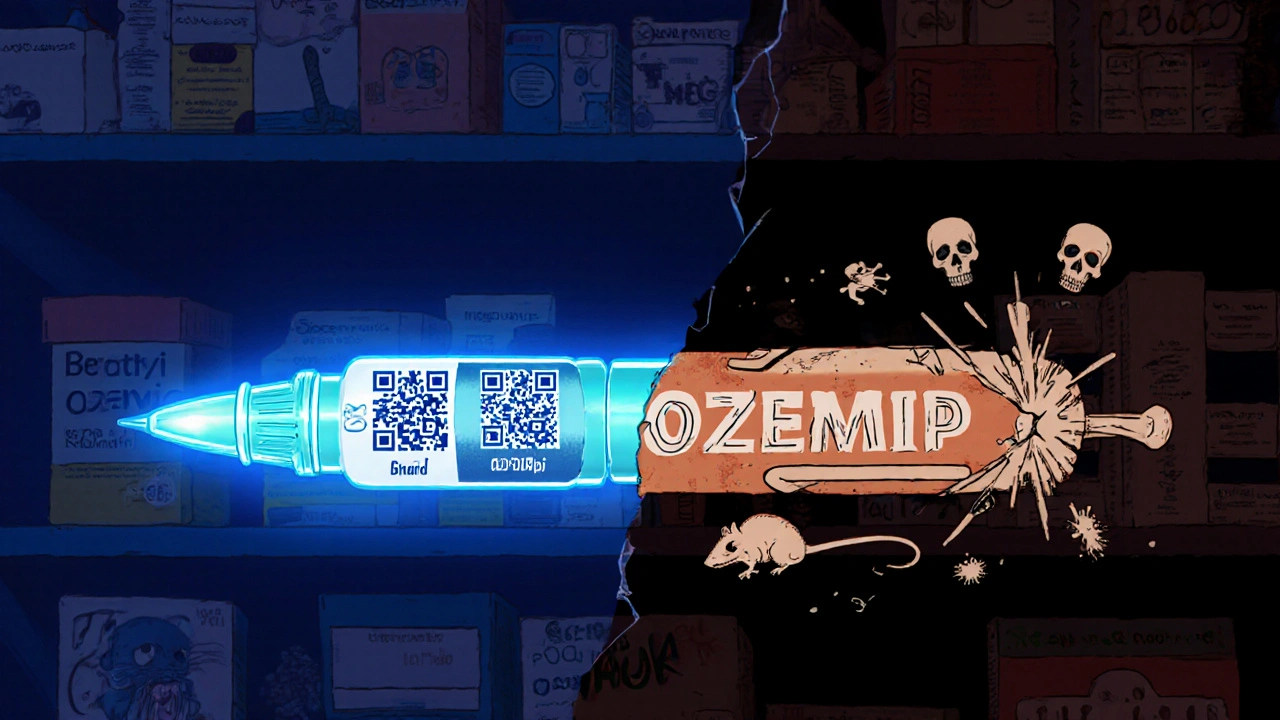
Counterfeit generics are fake versions of cheap, off-patent drugs that can contain no active ingredients or dangerous toxins. Learn how to spot them, where to buy safely, and what to do if you suspect you’ve been sold a fake.
Counterfeit Generics: How Fake Drugs Endanger Your Health
When you buy a counterfeit generic, a fake version of a real prescription drug that mimics the appearance but not the ingredients or safety standards. Also known as fake generics, it can contain nothing, too little active ingredient, or even toxic substances like rat poison or floor cleaner. These aren’t just scams—they’re silent killers. People take them thinking they’re getting the same medicine as a branded drug, but instead, they’re risking organ damage, treatment failure, or death.
Counterfeit generics often show up online or through unlicensed pharmacies. You might see them sold as "cheap Viagra" or "discounted Xanax" with prices too good to be true. The pharmaceutical supply chain, the global network that moves drug ingredients and finished pills from factories to patients is complex, and bad actors exploit gaps in oversight—especially when countries rely on foreign manufacturing for 80% of their active ingredients. That’s why drug shortages, when real medications aren’t available due to supply chain breaks or production issues create the perfect opening for fakes to flood the market. People desperate for affordable meds turn to shady websites, not realizing they’re playing Russian roulette with their health.
The problem isn’t just about missing ingredients. Some counterfeit generics contain the right drug but in the wrong dose—too little to work, too much to be safe. Others mix in banned substances like sildenafil analogs or fentanyl. A study from the WHO found that over 10% of medicines in low- and middle-income countries are fake. But it’s not just happening overseas. Fake versions of common drugs like metformin, lisinopril, and even insulin are showing up in U.S. online pharmacies. And because these pills look identical to the real thing—same color, same logo, same packaging—you can’t tell by sight.
That’s why knowing where to buy matters more than ever. Legitimate pharmacies require a prescription, display a physical address, and have licensed pharmacists on staff. If a site offers "no prescription needed" or ships from a PO box, walk away. Even sites that look professional—complete with fake certifications and customer reviews—can be fronts for criminal networks. The e-pharmacy prices, the cost of medications sold online, often much lower than retail you see might be tempting, but if it’s too low, it’s likely too dangerous.
What you’ll find in the articles below are real stories and hard facts about how fake drugs slip through, who’s most at risk, and how to spot the signs before it’s too late. You’ll learn how drug interactions with fake meds can turn a simple treatment into a medical emergency, why some people end up in the hospital after taking "generic" anxiety pills, and how even trusted brands can be counterfeited. This isn’t about fear—it’s about awareness. Your health isn’t a bargain. And when it comes to your medicine, you don’t get a second chance.