
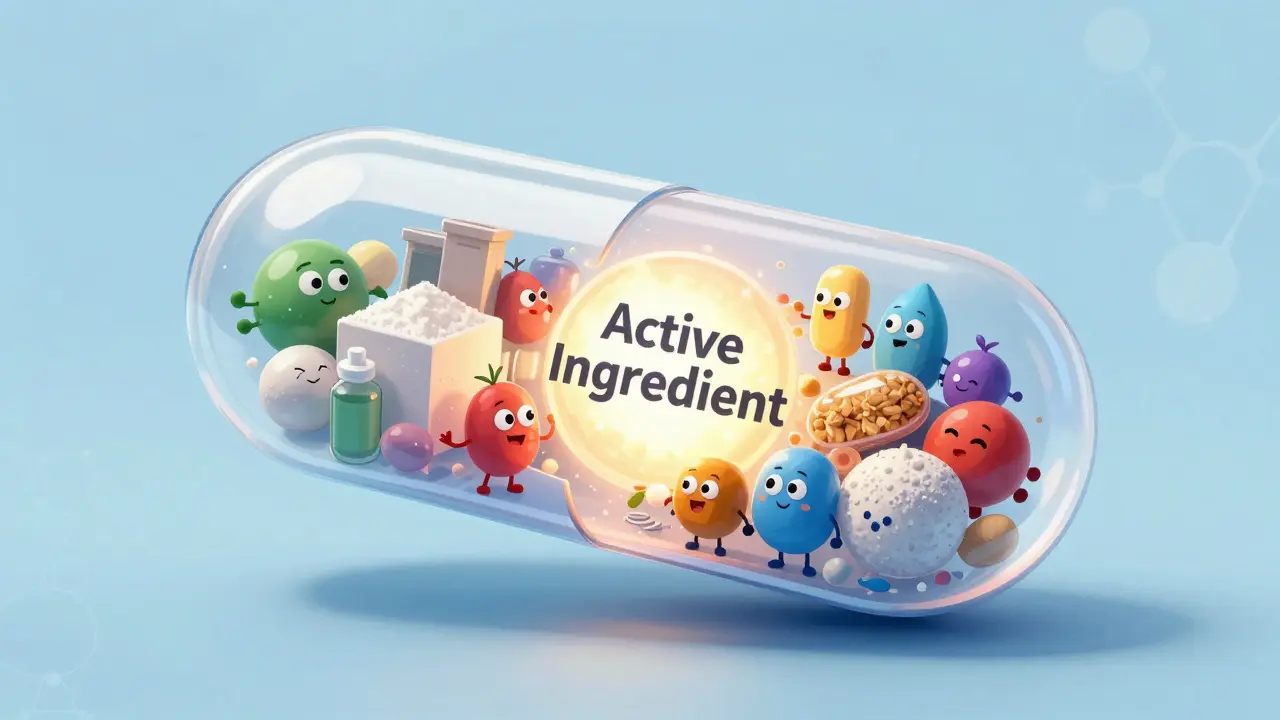
Active ingredients treat your condition. Inactive ingredients help the pill work - but they can also cause side effects. Learn why the difference matters for your safety and how to check what’s really in your meds.
InHousePharmacy.Vu: Your Comprehensive Guide to Medications and Supplements - Page 4
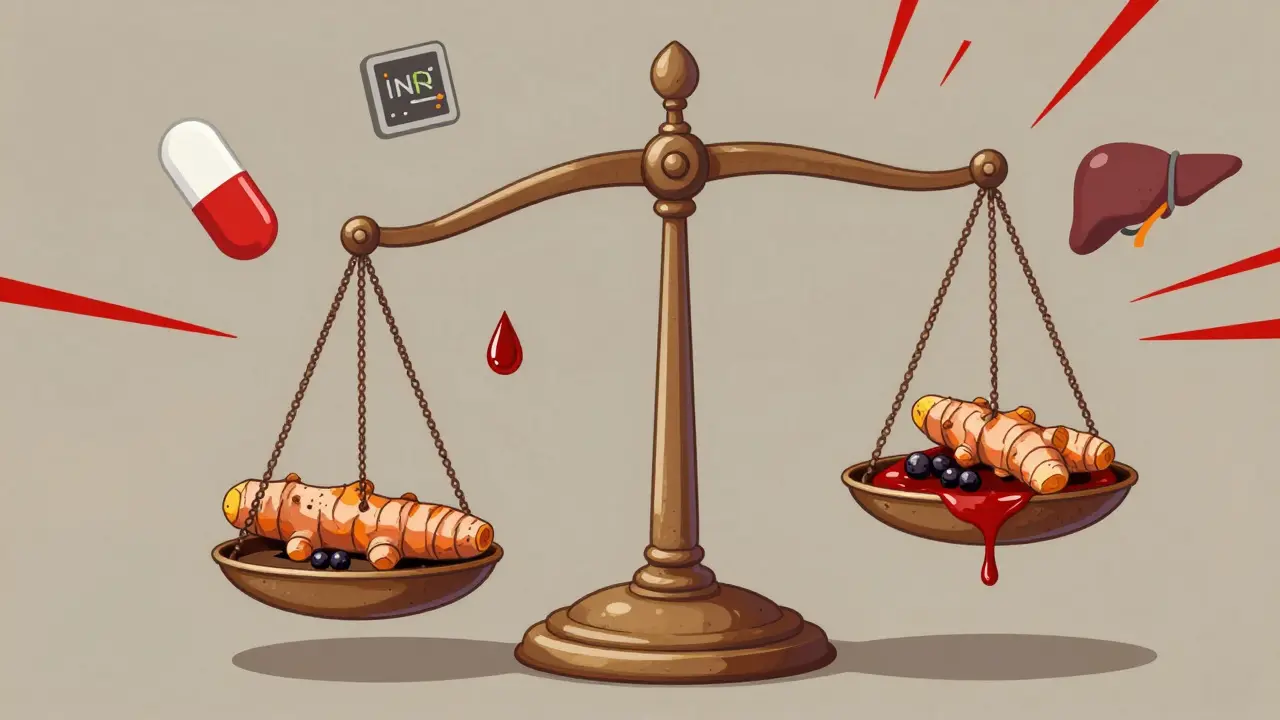
Turmeric and black pepper supplements can dangerously increase bleeding risk when taken with blood thinners like warfarin or apixaban. Medical experts warn against combining them due to unpredictable interactions and liver strain. Dietary turmeric is safe, but supplements are not.
Not every severe drug reaction means avoiding the whole medication family. Learn when cross-reactivity is real, when it’s not, and how to avoid unnecessary drug restrictions that can delay care and increase risks.

Sharing a complete, accurate medication list with every healthcare provider can prevent dangerous drug interactions. Learn what to include, how to update it, and how to make sure your list saves your life.
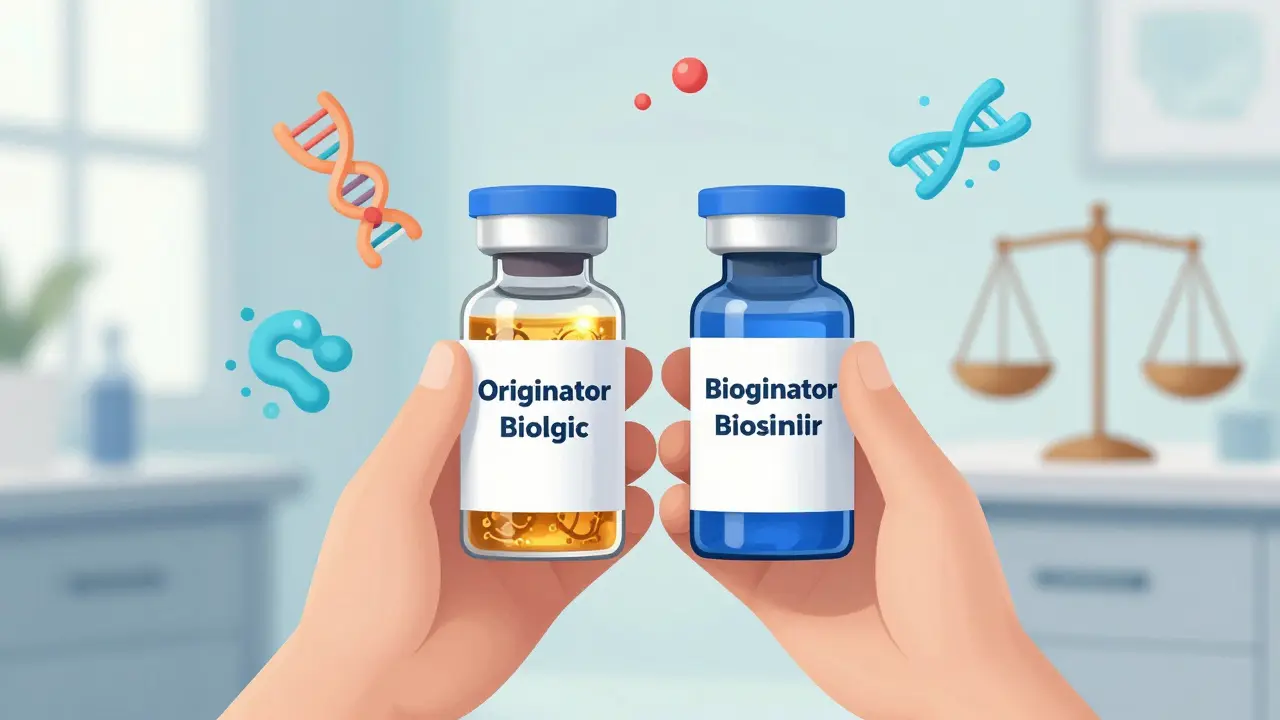
Switching from an originator biologic to a biosimilar is safe for most patients with stable inflammatory conditions. Clinical data shows no meaningful difference in effectiveness or safety, though psychological factors can lead to unnecessary discontinuation.
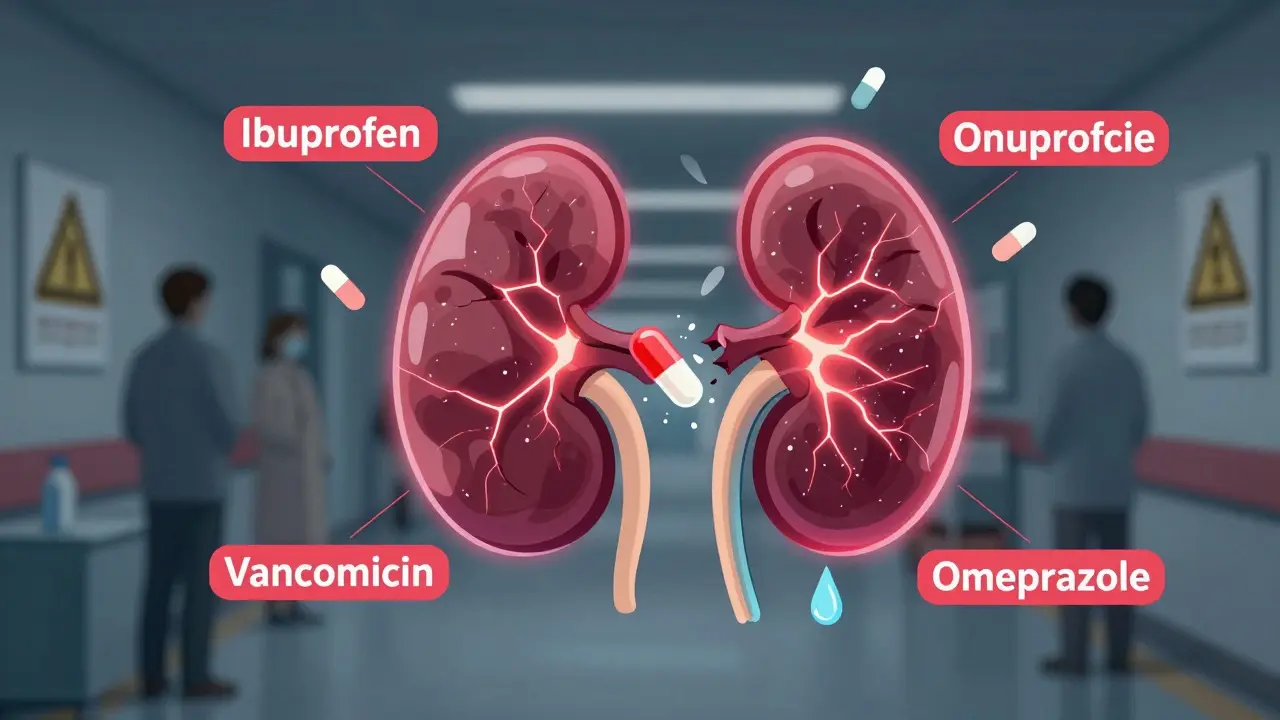
Drug-induced kidney injury is a silent, preventable threat affecting thousands each year. Learn how common medications like NSAIDs and antibiotics can damage kidneys, who's at risk, and what real steps you can take to protect yourself.

Culture shapes what we accept - from health apps to social media. Brands that ignore cultural norms risk failure. Learn how Hofstede’s dimensions drive real-world adoption and how to design for global acceptance.

Zoonotic diseases jump from animals to humans-and they're responsible for most new infectious outbreaks. Learn how they spread, which animals carry them, and simple steps to protect yourself and your family.
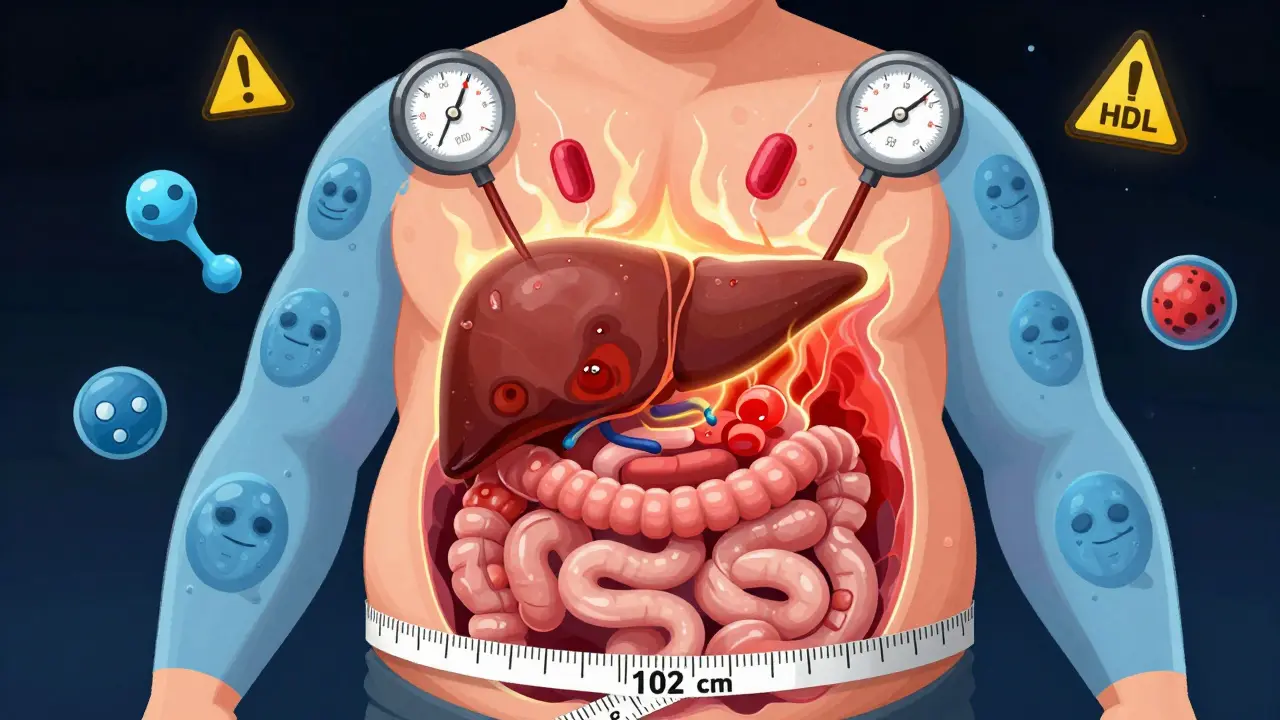
Metabolic syndrome is a cluster of conditions - abdominal obesity, high blood pressure, and unhealthy lipids - that raise your risk of heart disease, stroke, and diabetes. It’s silent, common, and reversible with lifestyle changes.
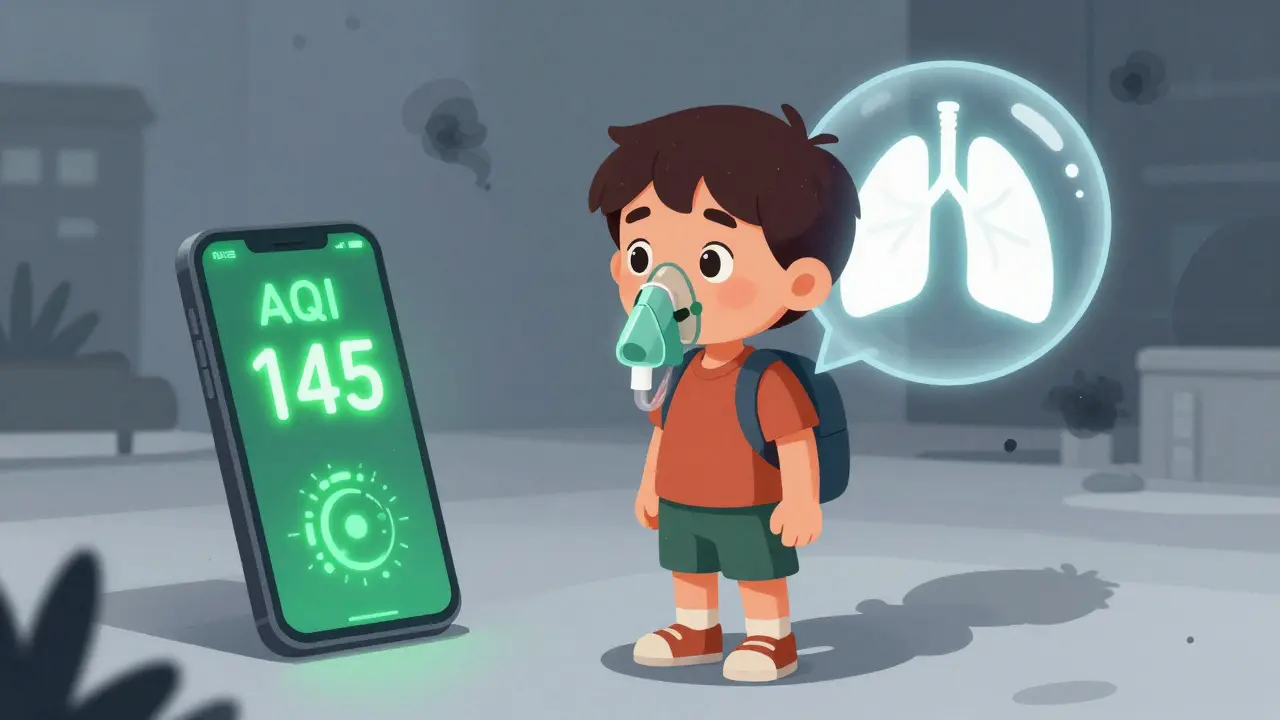
Air pollution worsens asthma symptoms and triggers attacks. Learn proven, science-backed ways to reduce exposure-from using air purifiers and checking the Air Quality Index to supporting cleaner schools and transit policies.